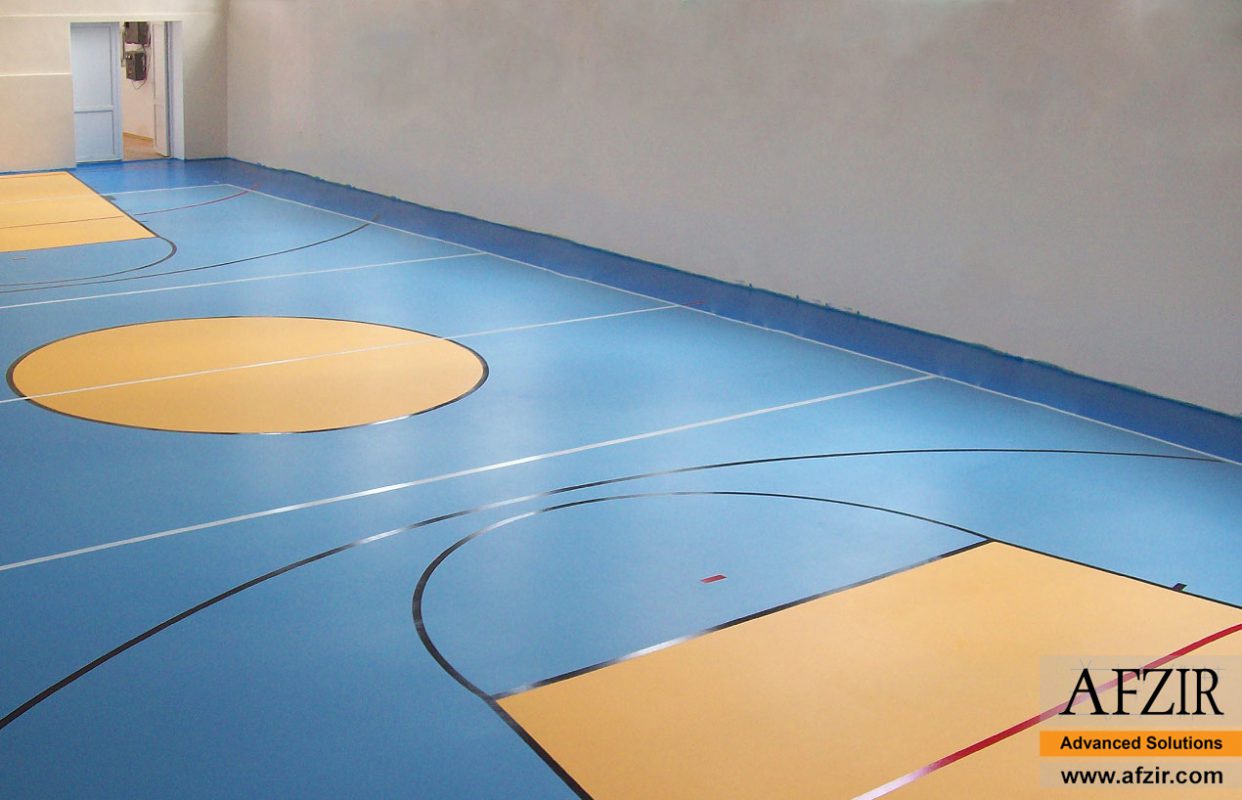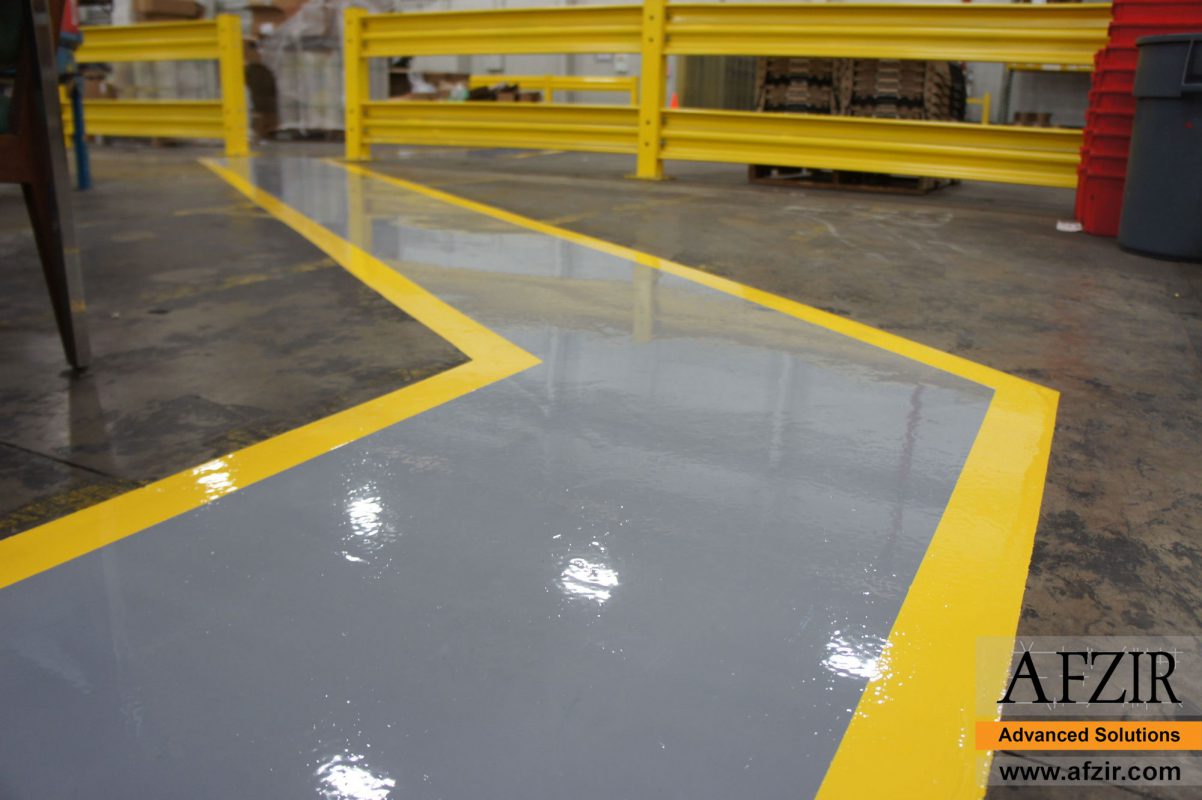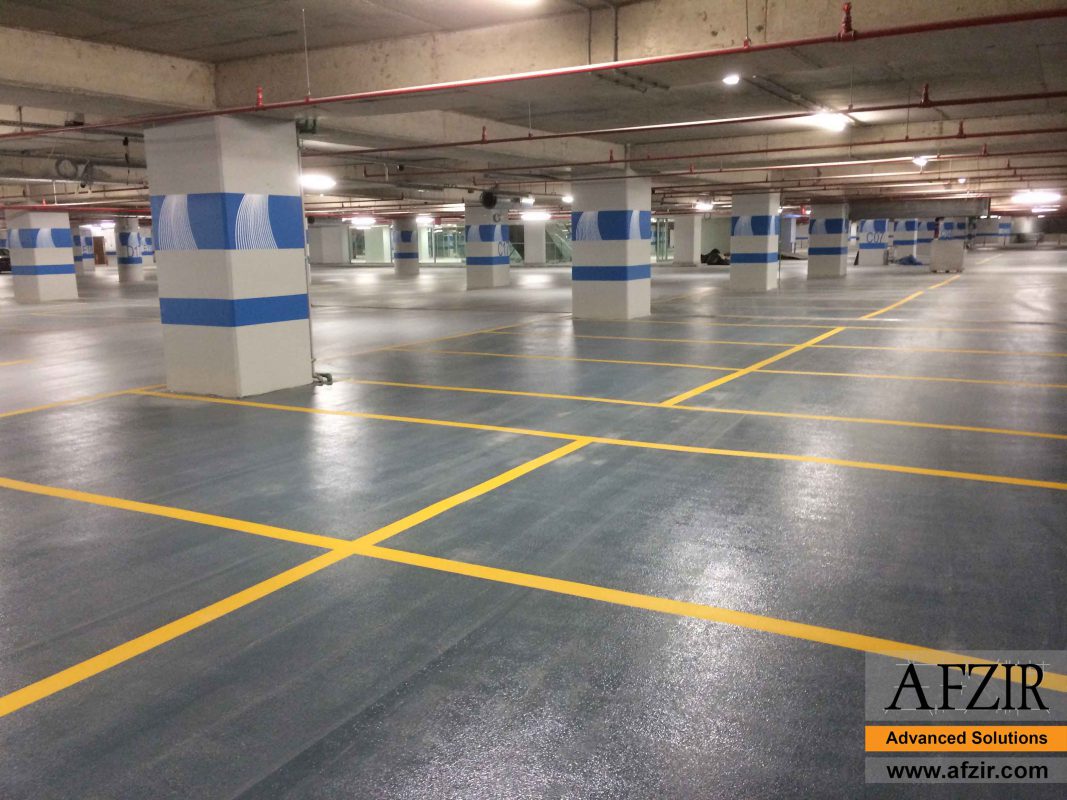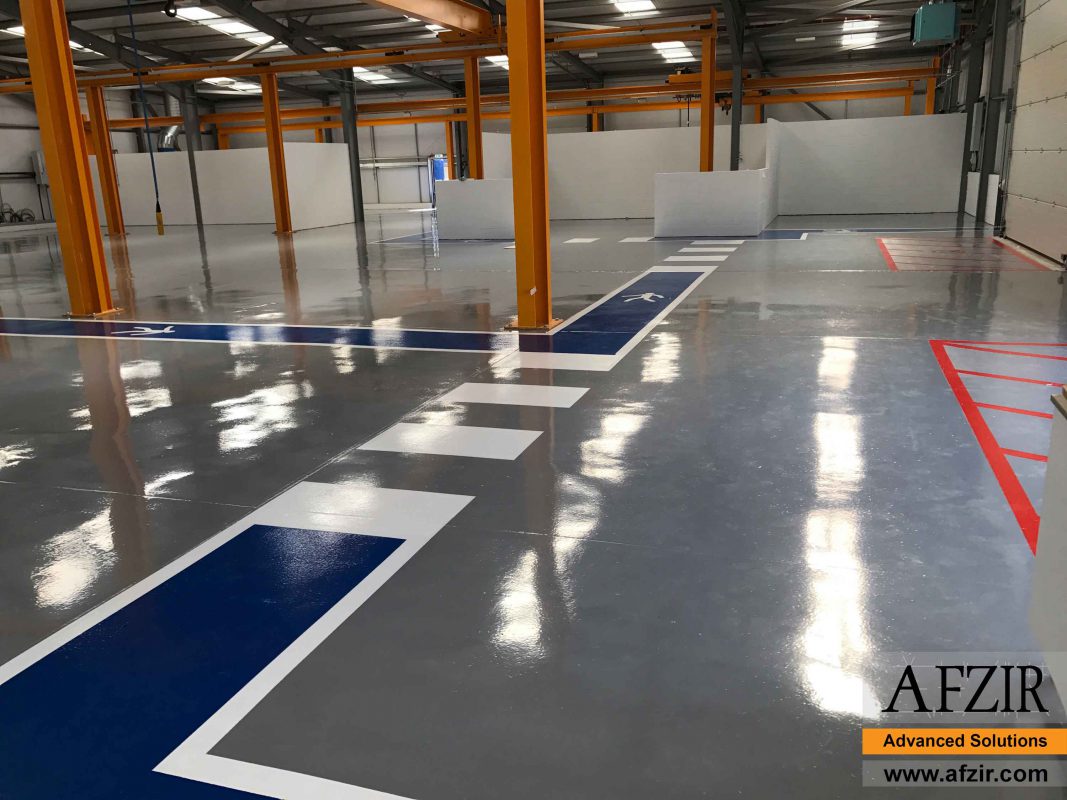

Anti-Static Polyurethane Flooring

Product ID: 1162

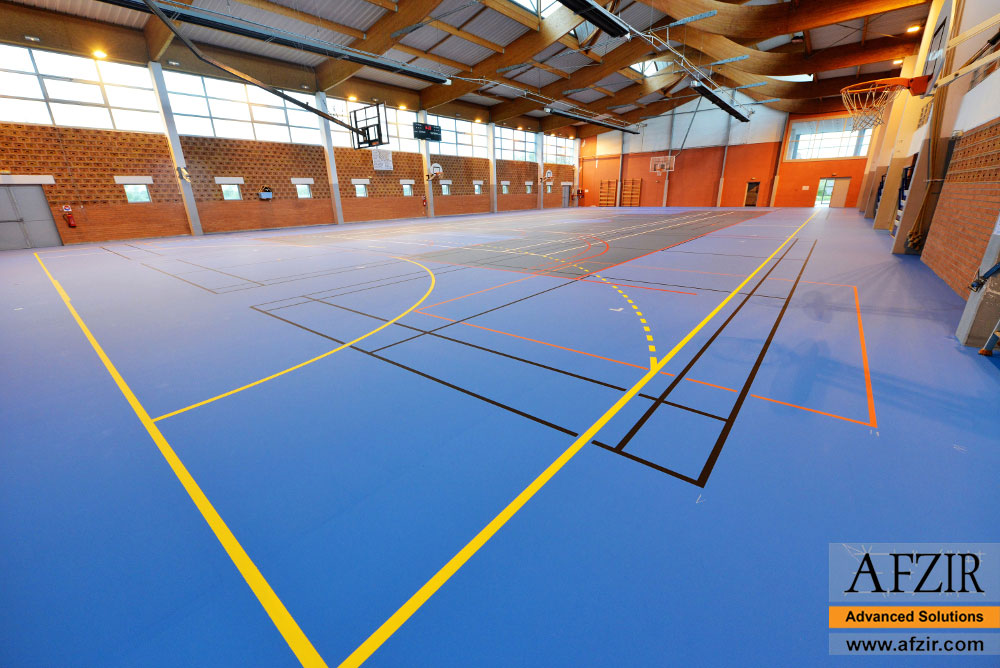
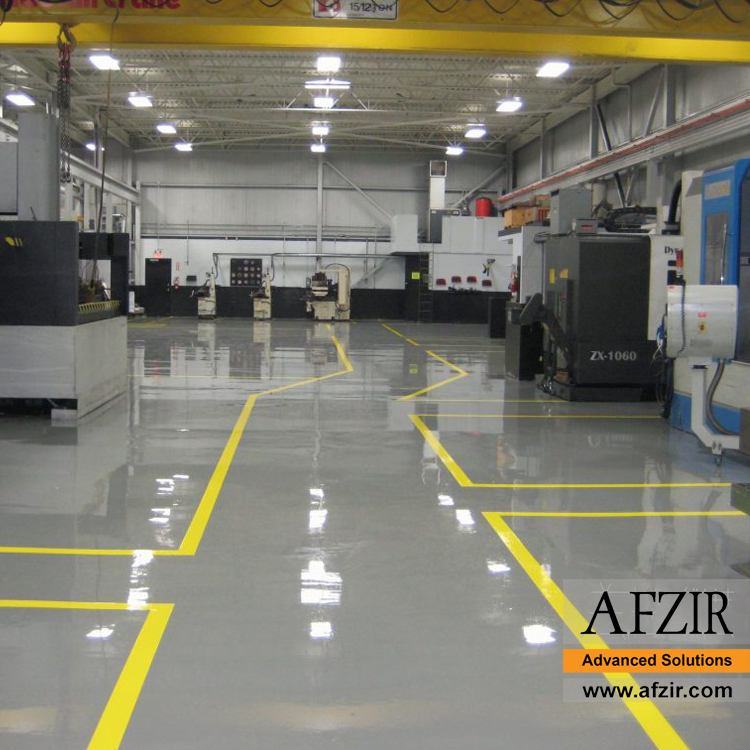
Anti-static industrial polyurethane flooring (ASPF™ code) is specially designed to provide electrical conductivity by using a conductive or isocyanate hardener. This unique feature enables the flooring to dissipate static electricity generated by foot traffic effectively. As a result, this product is ideal for various applications where sparks can pose a safety hazard. It finds excellent utility in ammunition and explosives storage depots, flammable storage areas, the electronics industry, control rooms, and paint mixing rooms.
Furthermore, this flooring offers all the properties and characteristics of industrial polyurethane flooring, making it highly versatile and durable. Additionally, it is often called anti-spark coating due to its ability to prevent potential sparks caused by static electricity.

PRODUCT DESCRIPTION Anti-Static Polyurethane Flooring

The Anti-Static Industrial Polyurethane Flooring (ASPF™ code) is a cutting-edge flooring solution that provides exceptional electrical conductivity and static dissipative properties. Engineered with advanced technology, this flooring system offers superior performance and safety in various industrial and commercial settings.
The key feature of ASPF™ code is its ability to eliminate static electricity generated by foot traffic effectively. By incorporating conductive or isocyanate hardeners, this flooring solution ensures a seamless transfer of static charge, reducing the risk of sparks and electrical discharge. As a result, it finds particular relevance in environments where static electricity can pose a significant safety hazard.
This anti-static flooring system is highly suitable for a range of applications, including ammunition and explosives storage depots, flammable storage areas, electronics industry facilities, control rooms, and paint mixing rooms. Its anti-spark coating properties further enhance safety measures by preventing potential sparks caused by static electricity.
Aside from its exceptional anti-static capabilities, the ASPF™ code also possesses all the desirable qualities and characteristics of industrial polyurethane flooring. It offers outstanding durability, abrasion, and impact resistance, making it suitable for heavy-duty environments. The flooring’s seamless and smooth finish ensures easy cleaning and maintenance, making it ideal for industries with stringent hygiene requirements.
Moreover, the ASPF™ code demonstrates remarkable moisture and heat resistance, making it a reliable choice for environments such as food and beverage processing facilities. It can withstand exposure to various chemicals, making it a preferred option for laboratories and industrial settings where chemical resistance is crucial.
With its high-performance attributes, the Anti-Static Industrial Polyurethane Flooring (ASPF™ code) provides a reliable, long-lasting, and safe flooring solution for industries that demand stringent static control measures and durability. It combines cutting-edge technology with exceptional quality, ensuring a dependable and efficient flooring system that meets the diverse needs of modern industrial environments.

If, in a project anti-static polyurethane flooring has been used as a cover and after a while, it is decided to re-cover it, the following products can be used for recovering:
1. Acrylic: Acrylic coatings provide an alternative cover for anti-static polyurethane flooring, enhancing its durability and appearance.
2. Two-component epoxy: This protective coating offers excellent resistance to chemicals, abrasion, and impact, making it ideal for high-traffic areas.
3. Mastic epoxy: A thicker and more robust option, mastic epoxy coatings provide enhanced protection against heavy-duty wear and tear in industrial environments.
4. Moisture-cure polyurethane: These coatings offer moisture resistance and durability, making them suitable for areas prone to water exposure.
5. Two-component polyurethane: With exceptional chemical resistance and durability, two-component polyurethane coatings provide superior protection against chemicals and abrasion.
6. Two-component organic zinc-rich silicate: This coating type provides excellent corrosion protection, particularly in harsh industrial environments, and offers long-lasting durability.
Each of these products can be used for re-covering anti-static polyurethane flooring, ensuring added protection and meeting specific project requirements.

Features Anti-Static Polyurethane Flooring


  • Compatible with non-absorbent or low-absorbent surfaces
  •  Has water repellency
  •  Self-cleaning
  •  Dustproof
  •  High coverage power
  •  Ease of implementation
  •  Quick drying
  •  Suitable for plaster and straw surfaces
  •  Resistant to different weather conditions

Applications Anti-Static Polyurethane Flooring


  • Protection and sealing of plaster or straw surfaces of buildings
  •  Protection of walls against slogans (due to the self-cleaning feature, paint stains can be easily removed.)
  •  Protection of ancient buildings

packaging


  • 1 and 8 kg

Product color


  • silky matte

Technical specifications and implementation Anti-Static Polyurethane Flooring

Physical basis

silky matte

Shelf time

12 months
Maintenance condition

4-40℃

chemical basis

Modified Alkaline Silicane
density

 1Kg/L

mixing ratio

gypsum surfaces: 5 times the volume of water Straw surfaces: 5 times the volume of water
Surface drying time

2 hours

  • Stay updated on Nano coating technology: Stay informed about the latest advancements in nano-coating technology for gypsum and straw surfaces.
  • Understand the substrate: Gain a comprehensive understanding of the properties of gypsum and straw surfaces to optimize the application and performance of the nano-coating.
  • Proper surface preparation: Ensure thorough surface cleaning and repair before applying the nano coating for adequate adhesion.
  • Dilution and application techniques: Follow the manufacturer’s guidelines for diluting the nano-coating and apply it evenly using appropriate tools.
  • Conduct testing and quality control: Regularly test and monitor the performance of the nano-coating to ensure its efficacy and durability.
  • Consider environmental factors: Consider environmental conditions like temperature and pollution levels during the application process.
  • Collaborate with suppliers and experts: Maintain communication with suppliers and industry experts for guidance and support.
  • Document and share knowledge: Record experiences and best practices to share within your professional network for continuous learning and improvement.
  • Familiarize yourself with nano-coating technology: Develop a strong understanding of nano-coating technology for gypsum and straw surfaces.
  •  Collaborate with engineers and designers: Maintain open communication and coordination with the project team to understand requirements and specifications.
  •  Prioritize surface preparation: Thoroughly clean and repair gypsum and straw surfaces before applying the nano-coating.
  • Follow manufacturer’s guidelines: Adhere to the recommended application process, dilution ratios, and curing procedures provided by the manufacturer.
  •  Use proper application techniques: Apply the nano-coating evenly and uniformly using appropriate tools and methods for consistent coverage.
  • Implement quality control and testing: Conduct regular tests to ensure the effectiveness and durability of the nano-coating.
  •  Prioritize safety precautions: Follow safety protocols and use protective gear during the application process.
  •  Maintain communication with suppliers: Stay in touch with suppliers for technical support and a smooth supply chain.
  •  Document project details: Keep detailed records of surface preparation, application techniques, and challenges faced for future reference and improvement.

Surface Preparation:

  • Prior to applying nano materials, ensure the surface is free from contaminants like oil, dust, paint, and plaster.
  • The surface must be completely dry before applying nano materials.

Steps for Application:

  • Clean the surface thoroughly to remove any contamination.
  •  Dilute the special nano-coating for plaster and straw with water according to the instructions before use.
  •  Gradually add water to the nanomaterials for dilution, using a stirring rod to mix them. Avoid using high-speed mixers to prevent foaming.
  •  Dilution ratio: Use five times the volume of water for both gypsum and straw surfaces.
  •  For improved results, reapply the material to the surface approximately 20 minutes after the initial layer.
  •  Apply the material to the surface using a spray or brush, ensuring complete coverage.
  •  Repeat the application process until the entire surface is coated.
  •  After 2 hours, the surface will be dry and ready for use.

Product Storage:

  • Store the product in dry locations.
  •  Maintain a temperature range of 5 to 40 degrees Celsius.
  •  Ensure the product container is tightly closed after each use.
  •  The shelf life of the product is up to 1 year.
  •  Establish clear quality standards: Define specific parameters for adhesion, water resistance, durability, and self-cleaning properties.
  •  Inspect raw materials: Verify the quality of acrylic, silicone resins, and nano hydrophobic materials used in the coating.
  •  Check surface preparation: Ensure proper cleaning, drying, and defect removal before applying the Nano coating.
  • Perform adhesion tests: Assess the bonding strength between the coating and gypsum/straw surfaces.
  • Conduct water resistance tests: Evaluate the coating’s ability to repel water and prevent penetration.
  • Assess durability: Subject coated samples to accelerated aging tests to evaluate resistance to degradation.
  • Evaluate self-cleaning properties: Test the coating’s ability to repel dust, dirt and maintain a clean appearance.
  • Monitor performance over time: Regularly inspect and test coated surfaces to ensure ongoing adherence to quality standards.
  • Document and report: Maintain detailed records of test results, observations, and corrective actions taken.
  • Drive continuous improvement: Use data and insights to identify areas for enhancement and implement necessary adjustments in the coating process.
Frequently asked questions

NCGS ™ gypsum and thatch nano coating is a nano waterproofing agent that is used to waterproof or seal the plaster or thatch facade of the building. By using this hydrophobic insulating nano-resin, the useful life of the surface increases many times. In addition, plaster or straw surfaces coated with this self-cleaning nano-hydrophobic coating are protected from absorbing any contamination or dirt such as dust by benefiting from the hydrophobic and dust-repellent properties.

The particles that make up the nano coating for NCGS ™ gypsum and thatch are formulated using nano technology. For this purpose, the particles that make up this nano insulation of the building facade are very small and have a diameter of approximately 1 to 100 nanometers.

Hydrophobic insulating nano-resin for gypsum and thatch (NCGS™ code) is made of acrylic and silicone resins as well as hydrophobic nanomaterials formulated with nanotechnology.

This type of nano-coating of the facade of the building can be used for sealing the facade or moisture insulation of straw or gypsum surfaces. Nano coating for gypsum and thatch NCGS ™ is widely used in the protection of ancient works, protection of plaster or thatch facades of buildings or any part of the structure made of straw and cement.

Nano coating for gypsum and straw (NCGS™ code) is a water-soluble or water-based composition. Therefore, it should be diluted with water before use. For this purpose, in case of using this nano moisture insulation on gypsum or thatch surfaces, one volume of nano insulation on the facade of the building must be mixed with 5 times the volume of water, according to the instructions in the data sheet.

Yes, because this type of hydrophobic insulation nano resin is in the category of water-soluble or water-based nano facade waterproofing products. For this purpose, the special nano coating of NCGS ™ plaster and straw is compatible with the environment.

Nano hydrophobic materials are one of the basic ingredients of this type of nano waterproofing coatings. Nano particles of hydrophobic materials formulated using nano technology are very small. Therefore, by applying this type of nano-insulating coating on the facade of the building to the plaster or straw surfaces, the nano-hydrophobic particles are scattered everywhere on the surface and by penetrating deep into the surface, they fill all the pores and empty spaces and make the surface particularly hydrophobic and dustproof.

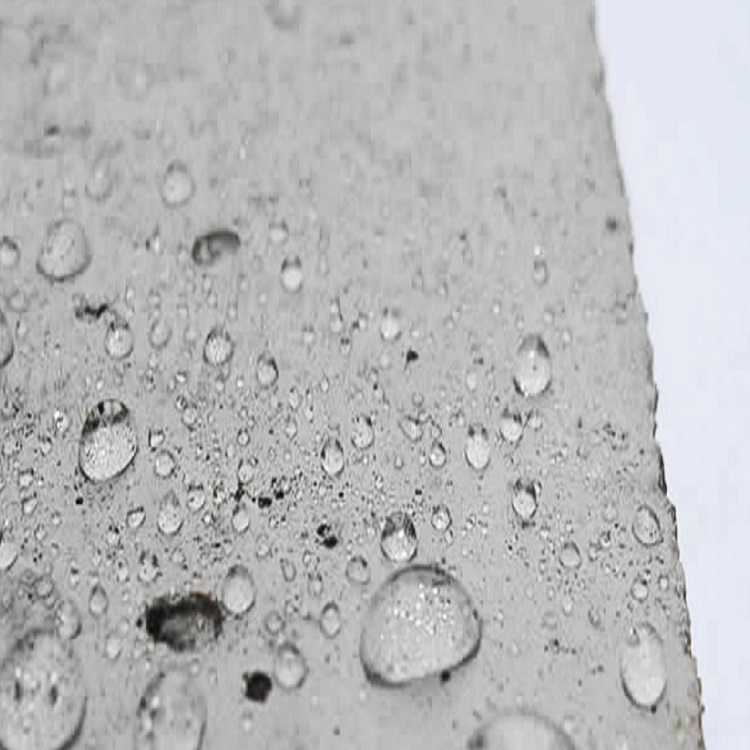
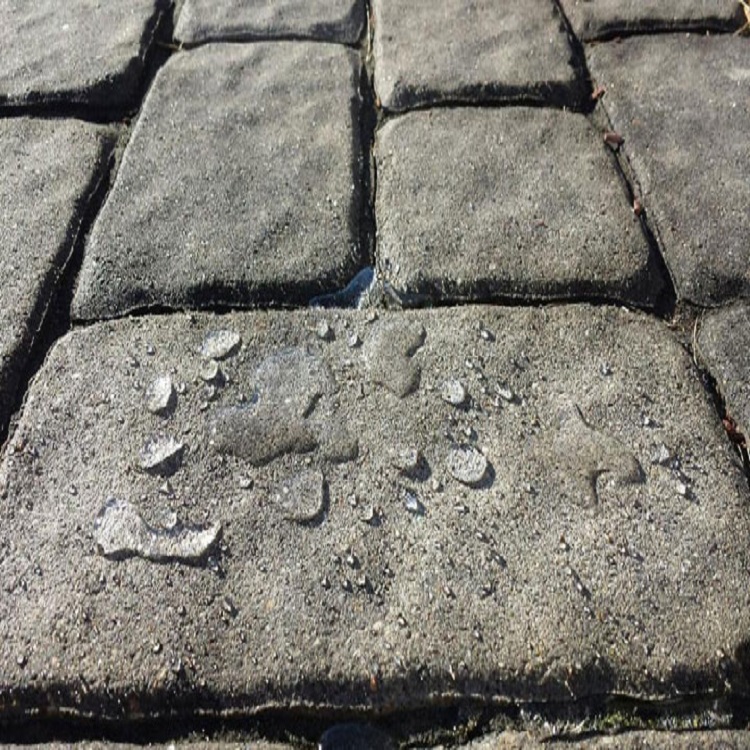
This type of nano-coating for the facade of the building is also considered a self-cleaning nano-hydrophobic coating. Because by applying this nano waterproofing to the surface of plaster or thatched walls, the surface of the wall will benefit from the properties of dust repellency and water repellency. So, this feature does not allow any particles to remain on the surface of the wall coated with hydrophobic insulation nano-resin. Therefore, the surface of the wall always remains clean and free of any stains. For this purpose, special nano-coating for plaster and straw (NCGS™ code) is also useful in protecting city walls against slogans.

After two hours of impregnating the surface with nano waterproofing and drying it, the coated surface can be used.

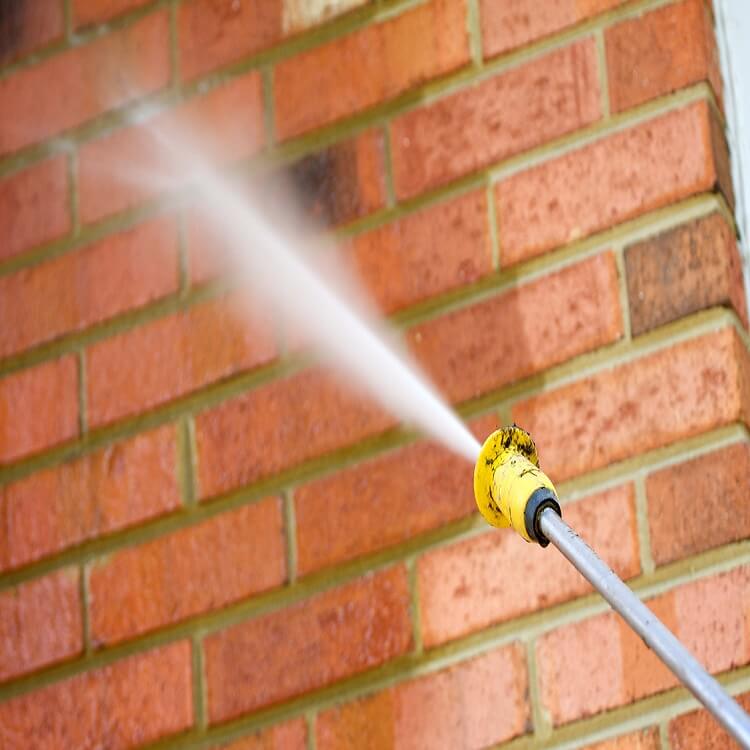
In order to apply and fully impregnate the surfaces with nano insulation coatings for the facade of the building, tools such as spray, brush, and roller can be used.
Product Review

Products

Afzir Company offers you a wide range of Polyurethane floor coatings for many applications.
Reviews

There are no reviews yet.

Be the first to review “Anti-Static Polyurethane Flooring”

Your email address will not be published. Required fields are marked *

Share On: